
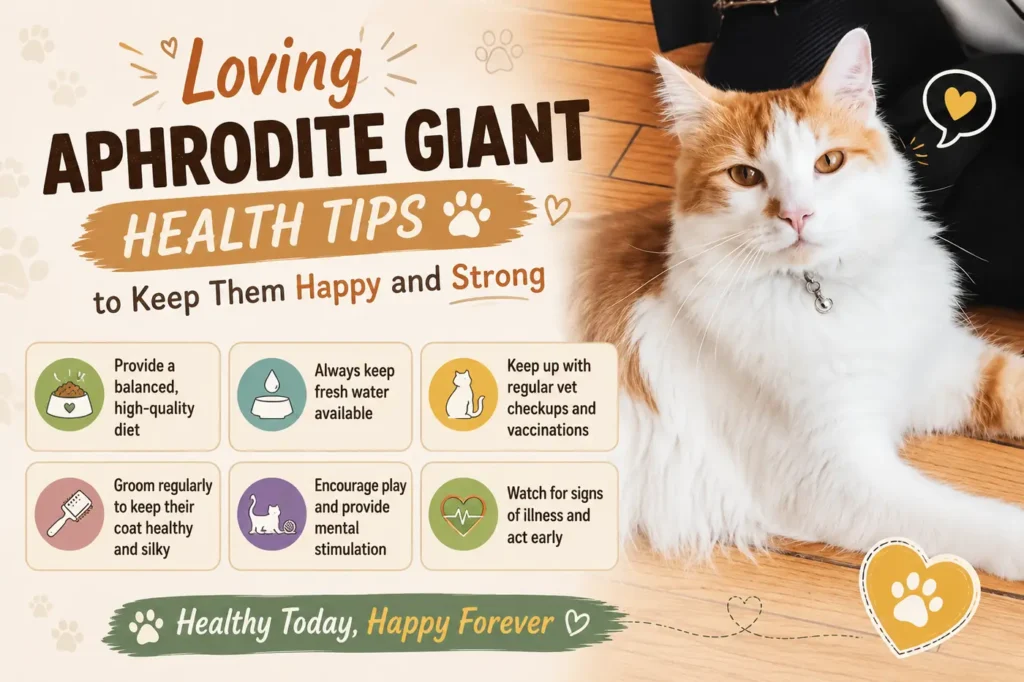
The most important Aphrodite Giant health tips center on weight control and heart monitoring, since this breed’s large frame puts extra strain on joints and the cardiovascular system as it grows. Because Aphrodite Giants keep growing until age three to five, owners should feed a high-protein, large-breed formula in measured portions rather than free-feeding, and avoid heavy jumping or rough play until the bones and joints fully mature.
Regular vet visits should include cardiac screening, since large cat breeds face a higher risk of hypertrophic cardiomyopathy, and catching early signs makes treatment far more effective. Daily moderate exercise, like short play sessions with wand toys, keeps muscles strong without overloading developing joints. Following these Aphrodite Giant health tips from the start builds a foundation that supports a longer, healthier life for this gentle, people-loving breed.
Common Health Issues in Aphrodite Giant Cats
As a natural breed, the Aphrodite Giant dodges many genetic disorders seen in more heavily engineered breeds. Still, its large body brings its own risks, and no breed is completely free of health concerns. Joint strain and mild hip discomfort can develop as extra weight sits on a long frame for years.
Hypertrophic cardiomyopathy (HCM), the most common feline heart disease, is worth watching for in any large breed. Dental disease, obesity, and age-related arthritis round out the main concerns. None are guaranteed, but knowing the risk list helps you catch problems early.
Meet One of Cyprus’s Most Remarkable Cat Breeds. Read more in Rare Aphrodite Giant Facts Most Cat Lovers Don’t Know.
Quick Aphrodite Giant Health Tips Checklist
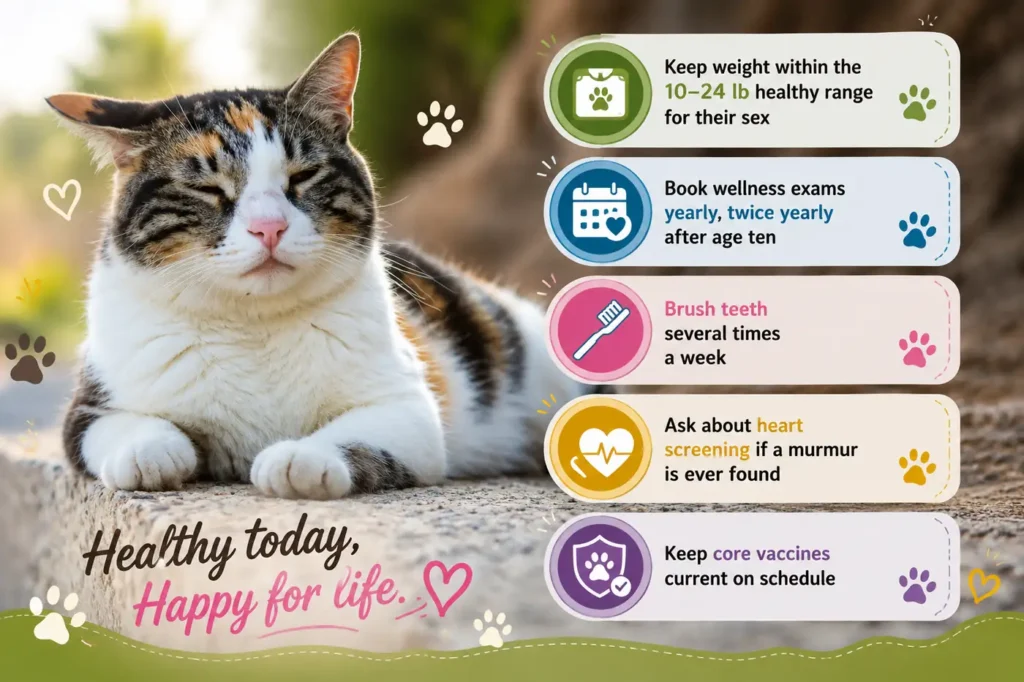
These core Aphrodite Giant health tips cover the essentials most vets recommend:
- Keep weight within the 10–24 lb healthy range for their sex
- Book wellness exams yearly, twice yearly after age ten
- Brush teeth several times a week
- Ask about heart screening if a murmur is ever found
- Keep core vaccines current on schedule
Keep Their Weight Under Control
Because Aphrodite Giants carry so much natural size, early weight gain is easy to miss until it’s already a problem. Extra pounds on a big-boned frame strain joints, ligaments, and eventually the heart. Feeding measured meals rather than free-feeding prevents slow, sneaky weight creep. A body condition check at each vet visit, feeling for ribs rather than seeing them, beats relying on a scale number alone. Since this breed keeps growing until age three to five, weight targets should shift as your cat matures. Monthly weigh-ins at home catch changes long before they’re visible.
Here’s a rough weight guide by life stage to track healthy growth in an Aphrodite Giant.
| Life Stage | Typical Weight Range |
| Kitten (3–6 months) | 3–6 lbs |
| Juvenile (6–12 months) | 6–12 lbs |
| Young adult (1–3 years) | 10–18 lbs |
| Mature female (3–5 years) | 10–15 lbs |
| Mature male (3–5 years) | 15–24 lbs |
Support Strong Bones and Joints
A long, muscular body means an Aphrodite Giant’s skeleton works harder than a smaller cat’s. Supporting joints early, rather than waiting for limping, pays off over a 12- to 15-year lifespan. Keeping your cat lean is the single best thing you can do here, since every extra pound adds pressure with each jump. Soft, low-entry bedding and ramps to favorite perches reduce repetitive impact on hips and elbows.
Omega-3 fatty acids, found in many quality cat foods, are commonly recommended to support joint comfort in larger breeds. Reluctance to jump or a change in gait is worth a vet visit, not a wait-and-see approach.
Choose a Balanced Diet for Large Cats
Diet matters even more for a breed still building bone and muscle for its first three to five years. A high-quality diet formulated for large-breed cats supports steady growth instead of the rapid weight gain that stresses joints. Protein should make up a solid share of the diet, since cats are obligate carnivores regardless of size.
Portion control matters as much as ingredient quality; food perfect for a 9-pound cat is still too much for a 22-pound one at the same serving. Fresh water should always be available, and wet food helps larger cats stay hydrated. When switching foods, do it gradually over one to two weeks.
Watch for Heart Health Problems
Hypertrophic cardiomyopathy, or HCM, thickens the heart’s main pumping chamber and is the most common heart disease in cats overall. It often develops silently, with no obvious symptoms until it has already progressed. Large, big-boned breeds are frequently discussed alongside HCM risk, so size alone is reason to stay proactive.
The American Association of Feline Practitioners (AAFP) recommends listening closely for heart murmurs at every annual wellness visit. If a murmur or irregular rhythm turns up, an echocardiogram from a veterinary cardiologist is the gold standard for confirming HCM. Catching it early gives your vet far more options for protecting quality of life.
What Are the Warning Signs of Heart Disease in Cats?
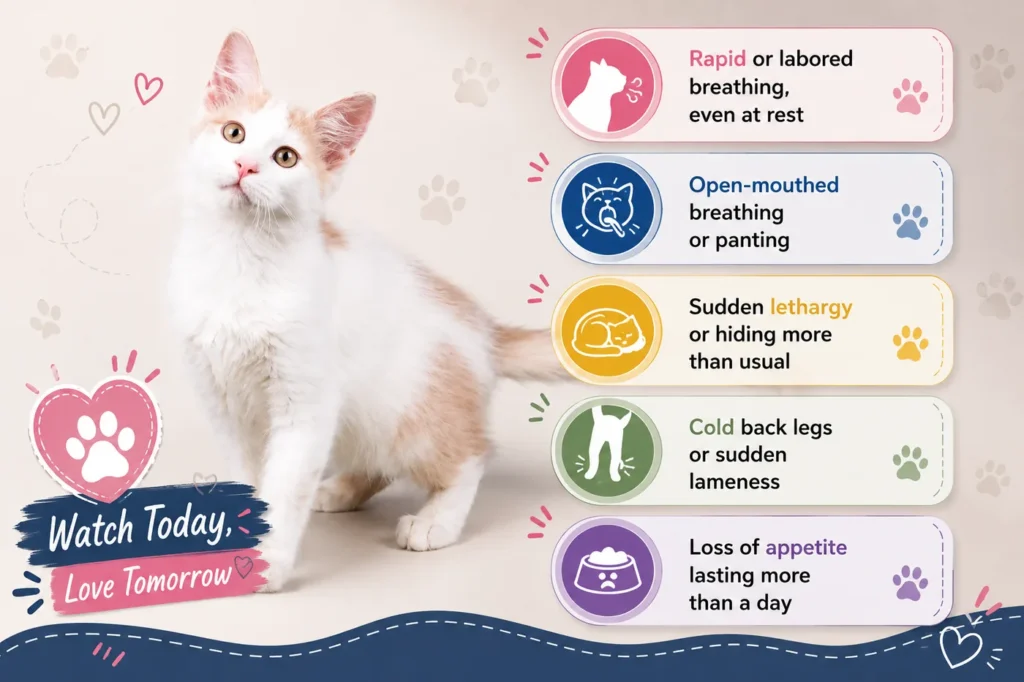
Watch for these red flags, since feline heart disease often hides until it’s serious:
- Rapid or labored breathing, even at rest
- Open-mouthed breathing or panting
- Sudden lethargy or hiding more than usual
- Cold back legs or sudden lameness
- Loss of appetite lasting more than a day
Keep Their Teeth and Gums Healthy
Dental disease is one of the most common health issues in cats generally, and Aphrodite Giants are no exception. Plaque turns into tartar within days, and left unchecked, leads to gum inflammation, tooth loss, and bacteria reaching the bloodstream. Brushing several times a week with cat-specific toothpaste is the single most effective home habit. Dental treats and water additives help but shouldn’t replace brushing, since they work as a supplement, not a substitute. Watch for bad breath, drooling, or reluctance to eat crunchy food as early warning signs. Most vets recommend a professional cleaning under anesthesia every one to two years.
Regular Grooming for Skin and Coat Health
The Aphrodite Giant’s coat can be short or semi-long, and both shed more than people expect from such a lean-bodied cat. Brushing twice a week keeps loose fur from matting and cuts down on hairballs. During seasonal shedding, brushing every other day helps manage the extra volume coming loose. Regular nail trims and ear checks round out a solid routine, since dirt and wax build up unnoticed.
Bathing isn’t usually necessary unless your cat gets messy, since over-bathing can dry out the skin. A shiny coat is often one of the first visible signs that overall health is on track.
Give Them Safe, Joint-Friendly Exercise
Aphrodite Giants are generally moderately active, enjoying play but also happy to nap for long stretches. Because of their size and slow growth, high-impact jumps from tall furniture should be limited before full maturity. Interactive toys, feather wands, and short daily play sessions keep muscles toned without straining developing joints.
Climbing structures with wide, sturdy steps are safer than narrow perches needing repeated high jumps. Exercise also helps manage weight, protecting joints and heart health at the same time. Aim for two or three short sessions a day rather than one long one.
Keep Vaccinations and Parasite Prevention Up to Date
Core vaccines protect every cat against diseases still circulating even in mostly indoor households. The World Small Animal Veterinary Association (WSAVA) classifies feline panleukopenia, herpesvirus, calicivirus, and rabies as core vaccines every cat should receive. Kittens typically start a vaccine series around 6 to 8 weeks old, with boosters every few weeks until 16 weeks. Adults are usually boosted at one year, then every three years, depending on local rabies laws.
Parasite prevention, including monthly flea and tick protection, shouldn’t be skipped just because a cat stays indoors. Ask your vet which non-core vaccines fit your cat’s lifestyle.
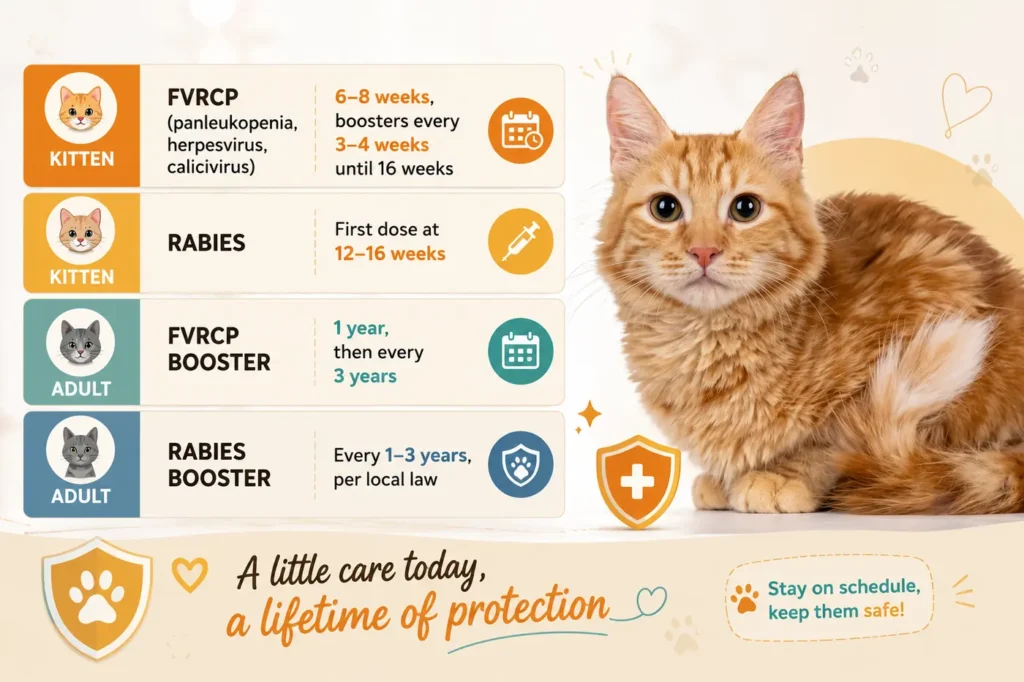
Here’s a simplified core vaccination schedule most vets recommend for an Aphrodite Giant.
| Life Stage | Vaccine | Typical Timing |
| Kitten | FVRCP (panleukopenia, herpesvirus, calicivirus) | 6–8 weeks, boosters every 3–4 weeks until 16 weeks |
| Kitten | Rabies | First dose at 12–16 weeks |
| Adult | FVRCP booster | 1 year, then every 3 years |
| Adult | Rabies booster | Every 1–3 years, per local law |
Schedule Regular Vet Checkups
Annual wellness exams catch small issues, like early tartar or a faint heart murmur, before they grow into bigger problems. Cats hide illness well, so a hands-on exam often reveals more than watching behavior at home. Bloodwork every one to two years, more often after age seven or eight, tracks kidney, liver, and thyroid function.
Senior Aphrodite Giants, generally past age ten, benefit from twice-yearly visits instead of one. Weight checks, dental assessments, and a heart listen belong at every visit. A steady relationship with one vet also helps them notice subtle changes over time.
What Is the Average Lifespan of an Aphrodite Giant Cat?
Most Aphrodite Giants live between 12 and 15 years with good care, and some reach their late teens. Genetics, weight management, and consistent veterinary care all help push toward the higher end of that range.
Signs Your Aphrodite Giant Needs Veterinary Care
Knowing what’s normal for your cat makes it far easier to spot when something’s genuinely off. Sudden changes in appetite, water intake, or litter box habits are almost always worth a call to the vet. Limping or stiffness after resting can point to joint pain, easy to dismiss as your cat “just getting older.” Breathing changes, including open-mouth breathing, deserve same-day attention rather than a wait-and-see approach. Weight loss despite a normal or increased appetite is a classic red flag for several conditions. Trust your instincts here; you know your cat’s normal better than anyone.
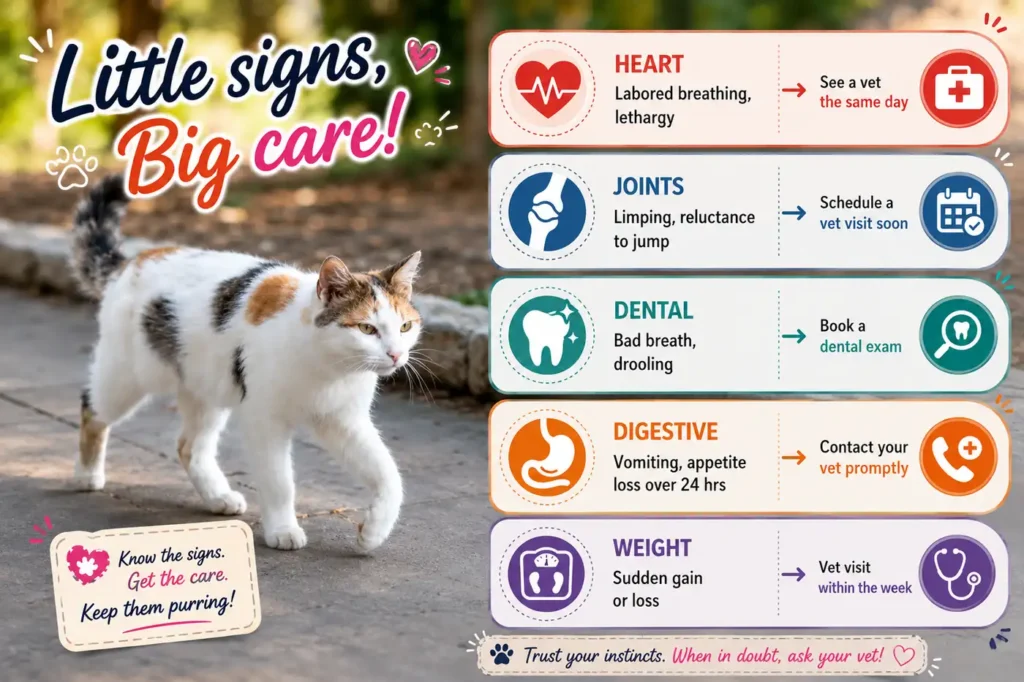
The table below breaks down common warning signs by body system so you know when to act.
| Body System | Warning Sign | Recommended Action |
| Heart | Labored breathing, lethargy | See a vet the same day |
| Joints | Limping, reluctance to jump | Schedule a vet visit soon |
| Dental | Bad breath, drooling | Book a dental exam |
| Digestive | Vomiting, appetite loss over 24 hrs | Contact your vet promptly |
| Weight | Sudden gain or loss | Vet visit within the week |
Aphrodite Giant Health Tips for a Long, Active Life
Pulling all these Aphrodite Giant health tips together comes down to consistency more than perfection. Keep meals measured, play sessions frequent but gentle on joints, and don’t skip the twice-a-week toothbrush routine. Vet visits, yearly or twice-yearly after age ten, catch the quiet problems before they turn loud.
Because this breed matures slowly, patience with its growth and steady habits from kittenhood pay off well into its senior years. A lean, well-exercised, regularly checked Aphrodite Giant has every chance at a full 12 to 15 years, sometimes more. Small daily habits, not dramatic interventions, are what actually add those extra healthy years.
Frequently Asked Questions
What is the Aphrodite Giant cat breed known for?
Its large size, affectionate temperament, and natural Cyprus origins. TICA recognized it as a breed in 2017.
How much should an Aphrodite Giant weigh?
Adult males typically weigh 15 to 24 pounds, females 10 to 15 pounds. Full size isn’t reached until three to five years old.
Are Aphrodite Giant cats prone to heart disease?
Like many large-bodied cats, they can be at risk for hypertrophic cardiomyopathy, so annual heart checks matter.
How often should I brush my Aphrodite Giant’s teeth?
Several times a week, ideally daily. Pair this with professional cleanings every one to two years.
What is the average lifespan of an Aphrodite Giant?
Most live 12 to 15 years with proper care, and some reach their late teens with good weight management.
Do Aphrodite Giants need a special diet?
They benefit from a high-quality, protein-rich diet made for large-breed cats, fed in controlled portions to prevent obesity.
How often should I take my Aphrodite Giant to the vet?
Annual visits work for younger adults; twice a year once past age ten.
Are Aphrodite Giant cats good with children?
Yes, they’re widely described as affectionate, social, and gentle, fitting well into active households.