
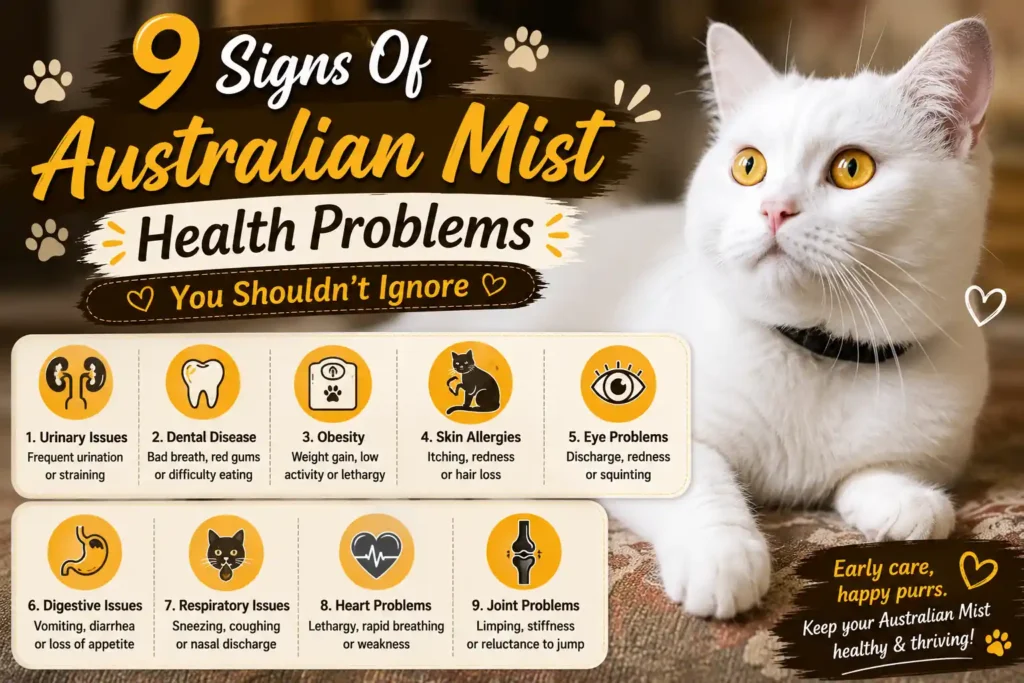
Dental disease, obesity, and urinary tract issues are the most common Australian Mist health problems that owners need to watch for. Dental disease often starts quietly, with plaque building up on the teeth and gums turning red or swollen, so daily brushing and yearly vet checks matter more than most owners realize. Obesity is another common concern for this breed, since Mists tend to enjoy food and can gain weight fast if meals aren’t measured and exercise is limited.
Urinary problems, such as difficulty urinating or blood in the urine, need quick attention because they can turn serious within a day or two. Most Australian Mist health problems are manageable when caught early, which is why regular vet visits and close attention to daily habits make such a big difference.
Australian Mist Health Problems: Are These Cats Really Healthy?
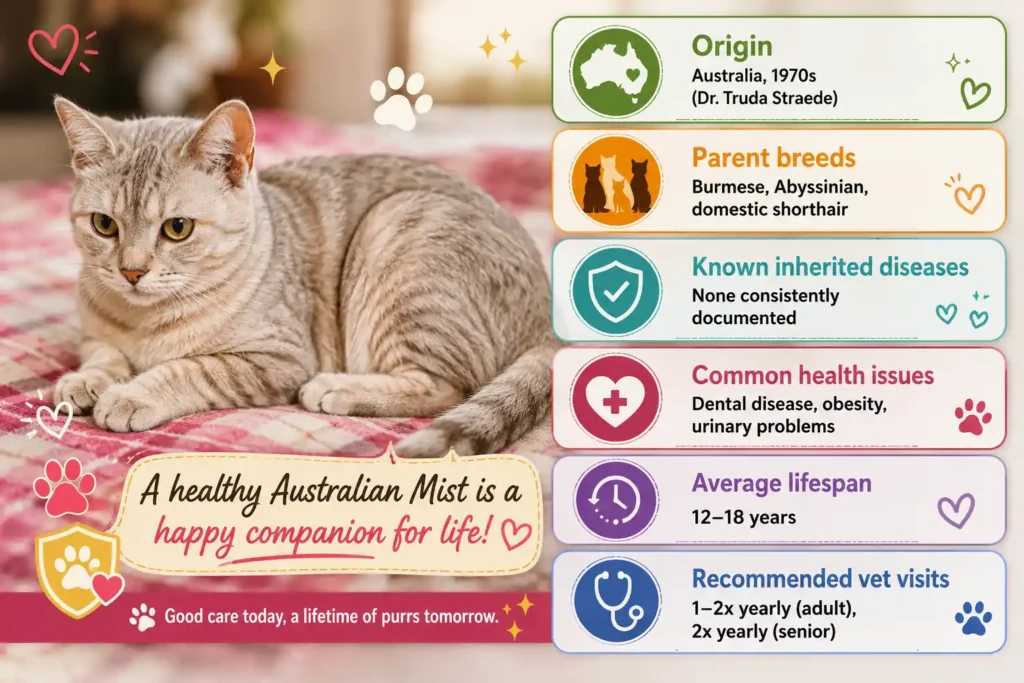
Yes, for the most part. The Australian Mist was developed in Australia during the 1970s by Dr. Truda Straede, who crossed Burmese, Abyssinian, and domestic shorthair cats to create a naturally hardy, spotted breed. This varied background means the breed doesn’t carry a single well-documented inherited disease the way some purebreds do.
TICA (The International Cat Association) recognizes the Australian Mist as a distinct breed, and most breed clubs report few consistent health complaints. Still, “generally healthy” doesn’t mean immune; dental disease, weight gain, and age-related conditions are common enough to plan for.
Learn Which Health Issues Australian Mist Owners Should Know About. Read more in 7 Australian Mist Cat Facts Including One Big Hypoallergenic Myth.
Here’s a quick snapshot of the Australian Mist’s health profile that’s worth bookmarking.
| Category | Detail |
| Origin | Australia, 1970s (Dr. Truda Straede) |
| Parent breeds | Burmese, Abyssinian, domestic shorthair |
| Known inherited diseases | None consistently documented |
| Common health issues | Dental disease, obesity, urinary problems |
| Average lifespan | 12–18 years |
| Recommended vet visits | 1–2x yearly (adult), 2x yearly (senior) |
Are Australian Mist Cats Prone to Genetic Health Problems?
No major inherited disease is consistently linked to the Australian Mist. Because it was developed from three different breeds, genetic diversity generally works in its favor. Individual cats can still inherit general feline conditions like hypertrophic cardiomyopathy, so asking breeders about health screening is always worthwhile.
Common Health Problems in Australian Mist Cats
While the Australian Mist doesn’t have a defining genetic disease, it’s still a cat, and cats share a handful of common vulnerabilities. Most Australian Mist health problems fall into a few predictable categories: mouth, weight, skin, senses, digestion, and joints. Some are breed-wide tendencies, like a hearty appetite that tips into overeating. Others are simply things any indoor cat can develop over time. Here’s a closer look at each one.
Dental and Oral Health Problems
Plaque and tartar build up quickly in cats, and the Australian Mist is no exception. Left untreated, this can progress to gingivitis or periodontal disease by middle age. Watch for bad breath, drooling, or reluctance to eat crunchy food.
Obesity and Weight-Related Problems
This breed enjoys its food, and indoor cats burn far fewer calories than their instincts expect. Extra weight strains joints and raises the risk of diabetes. Portion control and daily play go a long way toward keeping weight in a healthy range.
Skin and Allergy Problems
The short, dense coat rarely causes grooming trouble, but skin irritation from fleas, food sensitivities, or allergens can still appear. Redness, scratching, or bald patches are worth a vet visit rather than a wait-and-see approach.
Eye Problems
Green, expressive eyes are a hallmark of the breed and are usually trouble-free. Occasional issues include conjunctivitis, mild discharge, or age-related cloudiness. Sudden squinting should never be ignored.
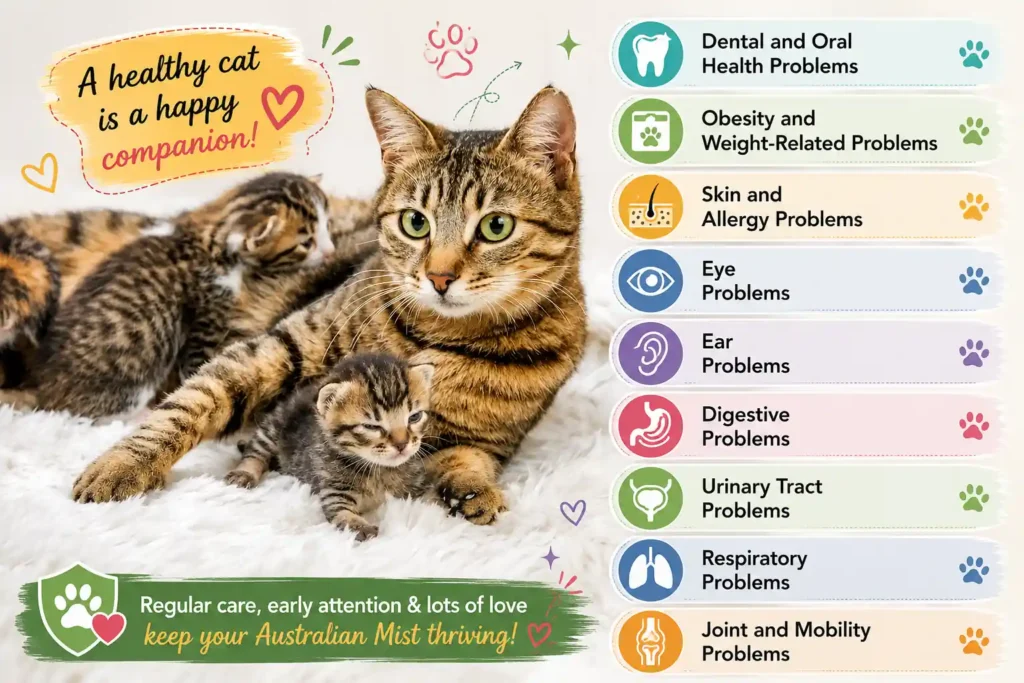
Ear Problems
Ear infections and wax buildup can affect any cat, and Mists are no different. Look for head shaking, scratching at the ears, or a noticeable odor during grooming.
Digestive Problems
Occasional vomiting or soft stools usually trace back to diet changes, hairballs, or mild food sensitivity. Persistent vomiting, diarrhea lasting more than a day, or refusing food all warrant a vet call.
Urinary Tract Problems
Like many cats, Australian Mists can develop feline lower urinary tract disease (FLUTD), including infections and bladder stones. Straining to urinate, frequent litter box trips, or blood in the urine are urgent signs needing same-day attention.
Respiratory Problems
Sneezing, mild coughing, or nasal discharge are usually linked to common feline upper respiratory infections rather than anything breed-specific. Cats in multi-cat households face more exposure, so keeping vaccinations current helps.
Joint and Mobility Problems
Joint stiffness becomes more common with age, especially in overweight cats. Reduced jumping, stiffness after resting, or a change in gait are typical early signs. Weight management helps slow this down.
What Are the Most Common Australian Mist Health Problems?
The most common Australian Mist health problems are dental disease, obesity, and urinary tract issues such as FLUTD. These aren’t unique to the breed, but they’re the conditions vets diagnose most often, especially in cats over five living a mostly indoor, low-activity lifestyle.
Health Problems in Australian Mist Kittens
Kittens are generally the healthiest life stage, but a few things deserve early attention. Intestinal parasites, mild upper respiratory infections, and vaccination-related soreness are the most common issues vets see in Mist kittens under one year old.
Because kittens explore everything with their mouths, keep small objects and toxic plants out of reach. Early socialization and a first full vet exam within the initial weeks at home set the foundation for a healthy adult life.
Health Problems in Adult Australian Mists
Adulthood, roughly one to ten years old, is when weight gain and dental tartar tend to creep up if left unmanaged. Indoor cats can slide into a sedentary routine here, making obesity the biggest preventable risk. Annual wellness exams, occasional bloodwork, and consistent dental care matter most. Most Mists stay active and playful through adulthood if their weight and teeth are kept in check.
Health Problems in Senior Australian Mists
Cats are typically considered senior around age ten, and this is when kidney disease, hyperthyroidism, arthritis, and diabetes become more likely. None are unique to the Australian Mist, but early detection through senior bloodwork panels makes a real difference in outcomes. Twice-yearly vet visits are generally recommended once a cat crosses into its senior years, since kidney disease often progresses quietly at first.
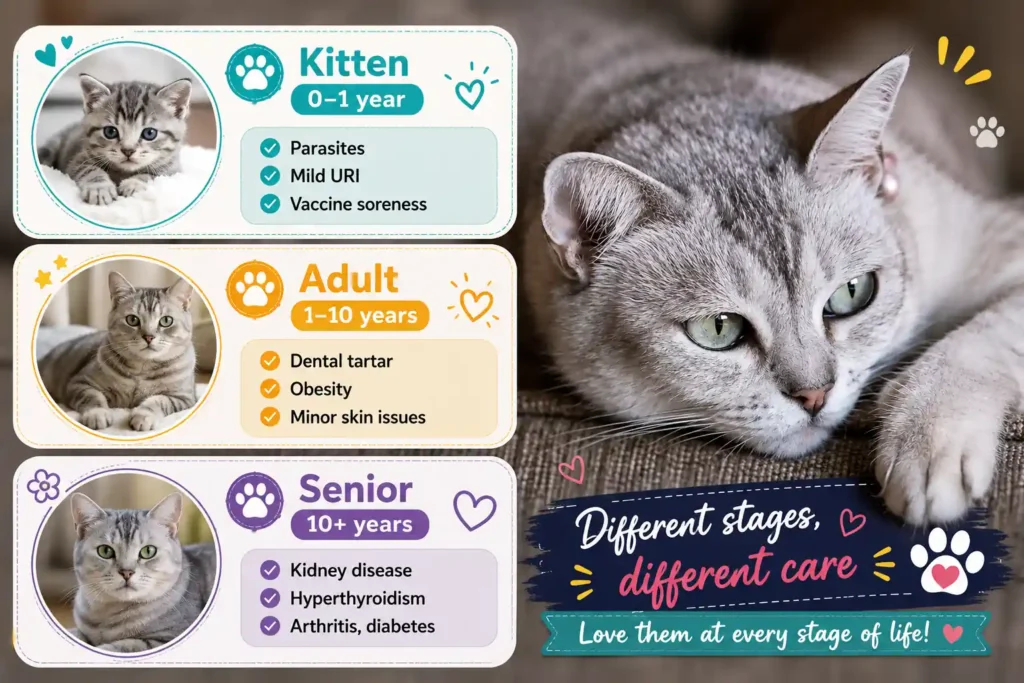
Here’s how the most likely Australian Mist health problems tend to shift across each life stage.
| Life Stage | Age Range | Common Issues |
| Kitten | 0–1 year | Parasites, mild URI, vaccine soreness |
| Adult | 1–10 years | Dental tartar, obesity, minor skin issues |
| Senior | 10+ years | Kidney disease, hyperthyroidism, arthritis, diabetes |
How Long Do Australian Mist Cats Usually Live?
Most Australian Mist cats have a lifespan of 12 to 18 years, with many reaching their late teens when kept indoors, fed a balanced diet, and given regular veterinary care. This Australian Mist lifespan is longer than that of the average domestic cat.
Signs Your Australian Mist May Be Unwell
Cats hide discomfort well, so subtle changes often matter more than dramatic ones. A cat that’s quieter than usual, eating less, or grooming excessively could be telling you something even without an obvious symptom. Trust your instincts here; you know your cat’s routine better than anyone. The signs below are worth watching for, and if they persist for more than a day or two, worth a call to your vet.
- Sudden change in appetite or thirst
- Hiding more than usual or avoiding people
- Straining in the litter box or missing it entirely
- Bad breath, drooling, or pawing at the mouth
- Limping, stiffness, or reluctance to jump
- Vomiting or diarrhea lasting more than 24 hours
- Noticeable weight loss or gain over a few weeks
Australian Mist Health Checks and Preventive Care
Prevention is where you have the most control over Australian Mist health problems long-term. A predictable schedule of vaccines, parasite prevention, dental checks, and general exams catches most issues while they’re still minor and inexpensive to treat. The American Association of Feline Practitioners (AAFP) publishes wellness guidelines that most vets follow closely, and sticking to that rhythm is one of the simplest things an owner can do.
Vaccinations and Parasite Prevention
Core vaccines (rabies, panleukopenia, calicivirus, herpesvirus) are recommended for every cat, with boosters on a schedule your vet sets based on lifestyle and risk. Guidelines from the World Small Animal Veterinary Association (WSAVA) are widely used to time these boosters. Monthly flea and worming prevention, even indoors, closes an easy gap.
Dental Checkups
Because dental disease is one of the more common Australian Mist health problems, most vets recommend a dental check at every annual visit and a cleaning once tartar builds up. Brushing a few times a week makes a measurable difference.
Routine Veterinary Examinations
A full physical exam once a year for adults, and twice yearly after age ten, catches subtle changes in weight, heart rate, and organ function before they become emergencies. Bloodwork is typically added around age seven.
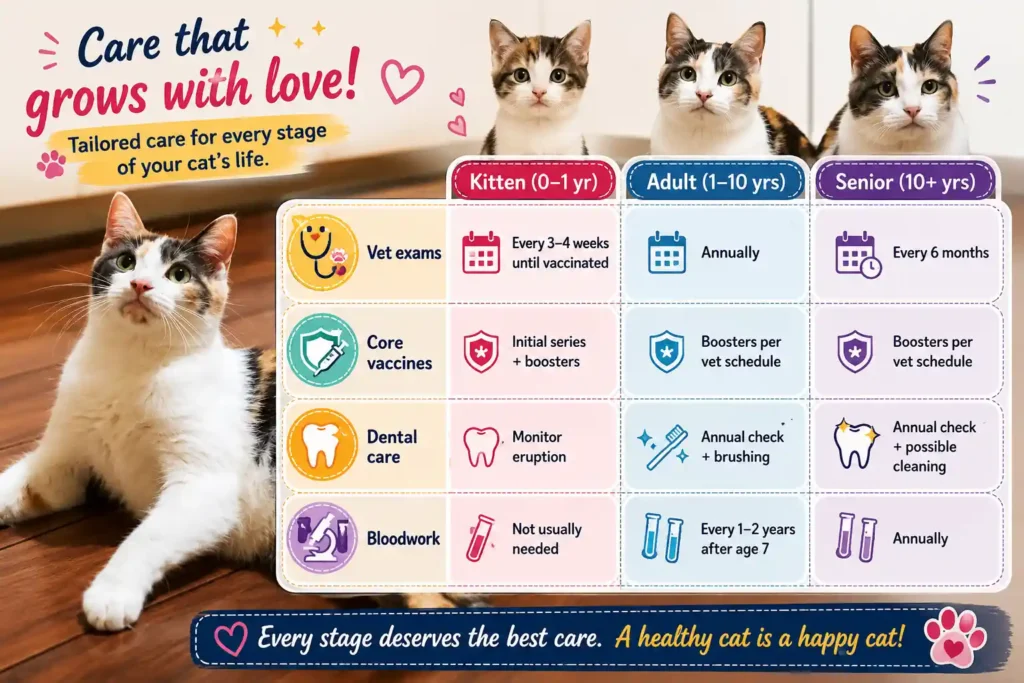
This preventive care timeline gives a realistic sense of what most vets recommend at each stage.
| Care Type | Kitten (0–1 yr) | Adult (1–10 yrs) | Senior (10+ yrs) |
| Vet exams | Every 3–4 weeks until vaccinated | Annually | Every 6 months |
| Core vaccines | Initial series + boosters | Boosters per vet schedule | Boosters per vet schedule |
| Dental care | Monitor eruption | Annual check + brushing | Annual check + possible cleaning |
| Bloodwork | Not usually needed | Every 1–2 years after age 7 | Annually |
How to Reduce the Risk of Health Problems
You can’t eliminate every risk, but daily habits make a real difference in how often Australian Mist health problems show up. Weight, activity, and grooming are the areas owners have the most control over, and none require anything expensive. Small, consistent routines beat occasional big efforts.
Healthy Diet and Weight Management
Feed a high-protein, portion-controlled diet suited to your cat’s age and activity level, and measure meals rather than free-feeding. Treats should stay under 10% of daily calories. Regular weigh-ins catch gradual weight creep before it becomes a bigger problem.
Exercise and Daily Activity
Short, interactive play two or three times a day keeps joints mobile and weight in check. Puzzle feeders and climbing shelves give this intelligent breed mental stimulation, since boredom often shows up as overeating.
Grooming and General Care
Weekly brushing keeps the short coat glossy and cuts down on loose hair and hairballs. Regular nail trims, ear checks, and tooth brushing folded into the same routine make health monitoring part of everyday life.
When to Take an Australian Mist to the Vet
Some symptoms can wait for a routine appointment, and others can’t. Knowing the difference matters, especially with a breed that masks discomfort well. If you’re ever unsure whether something is urgent, a quick call to your vet clinic or an emergency line is always the safer choice over waiting it out.
- Straining to urinate with little or no output (urgent, same day)
- Difficulty breathing or open-mouth breathing
- Repeated vomiting or inability to keep water down
- Sudden collapse, seizures, or extreme lethargy
- A wound or bleeding that won’t stop
- Obvious pain when touched or picked up
Australian Mist Health Problems FAQs
Are Australian Mist cats generally healthy?
Yes. They’re considered a sturdy breed, with no single inherited disease linked to them, though dental disease, obesity, and urinary issues are common, like in most cats.
What is the average lifespan of an Australian Mist?
Most live between 12 and 18 years with proper care, routine vet visits, and a healthy weight.
What are the most common Australian Mist health problems?
Dental disease, obesity, and urinary tract issues such as FLUTD are the ones vets diagnose most frequently in this breed.
How often should an Australian Mist see the vet?
Once a year for healthy adults, and every six months once a cat reaches about ten years old.
Do Australian Mist cats have breathing or heart problems?
There’s no breed-specific heart condition tied to the Australian Mist, though like all cats they can develop hypertrophic cardiomyopathy, which is why regular checkups matter.
Are Australian Mist cats prone to obesity?
Yes, this is one of their more common struggles since they enjoy food and often live an indoor, low-activity lifestyle. Portion control and daily play help prevent it.