
Bergamascos are tough dogs. Hardy, smart, and built to last, most live well past 13 years. It’s easy to assume they’ll just be fine.
But that thick, matted coat hides more than you think. Bergamasco Sheepdog health problems like hip dysplasia, eye issues, and skin conditions creep in quietly, and by the time you notice, things are already worse than they needed to be.
Here’s the thing, though: most Bergamasco Sheepdog health issues are very manageable. You just need to know what to look for.
That’s what this guide is for.
Understanding the Overall Health of the Bergamasco Sheepdog
The Bergamasco is genuinely a robust dog. Originally bred in the Italian Alps for herding in rough terrain, this breed developed strong bones, solid endurance, and a natural resistance to many common ailments. That said, being a medium-to-large dog (typically 57–84 lbs), they’re not immune to the joint and vision issues that affect similar breeds.
One thing that surprises many new owners: despite their thick, matted coat, Bergamascos are relatively low-maintenance health-wise compared to other herding breeds. They tend to have fewer inherited conditions than, say, German Shepherds or Border Collies. Still, awareness goes a long way.
The Complete Bergamasco Sheepdog Guide: Read more in Bergamasco Sheepdog: The Rare Dog With Dreadlocks.
Average Lifespan and What Affects It
Most Bergamasco Sheepdogs live between 13 and 15 years, which puts them well above average for dogs their size. For reference, most large breeds live 10–12 years, so this is genuinely impressive.
What affects lifespan the most? Honestly, the usual suspects: diet, exercise, genetics, and regular vet care. Dogs kept at a healthy weight tend to live 1–3 years longer than overweight dogs of the same breed, and that’s backed by a 14-year Purina Lifespan Study. It’s worth keeping in mind.
Here’s a quick comparison of Bergamasco lifespan vs. other similar herding breeds:
| Breed | Avg. Lifespan | Size (lbs) | Common Issues |
| Bergamasco Sheepdog | 13–15 years | 57–84 | Hip dysplasia, eye conditions |
| Border Collie | 12–15 years | 30–55 | Epilepsy, hip dysplasia |
| Australian Shepherd | 13–15 years | 40–65 | MDR1 gene, eye anomalies |
| Bouvier des Flandres | 10–12 years | 70–110 | Hip dysplasia, bloat |
Common Health Problems in Bergamasco Sheepdogs
Hip Dysplasia
Hip dysplasia is the most commonly reported orthopedic issue in Bergamascos. It occurs when the hip joint doesn’t develop properly, leading to joint laxity and eventually arthritis. Signs include a “bunny hop” gait, reluctance to climb stairs, or visible stiffness after rest. According to the Orthopedic Foundation for Animals (OFA), roughly 15–20% of medium-large herding breeds show some form of hip dysplasia, and Bergamascos aren’t exempt.
Eye Conditions
Progressive retinal atrophy (PRA) is the main eye concern to watch for. It’s a genetic condition that gradually causes vision loss, usually starting with night blindness. There’s no cure, but DNA testing before breeding can significantly reduce its occurrence in future generations. Reputable breeders should provide health clearances for both parents.
Joint and Mobility Issues
Beyond hips, some Bergamascos develop elbow dysplasia or general joint stiffness as they age. Keeping your dog at a healthy weight is the single most effective thing you can do to protect their joints long-term.
Skin and Coat-Related Concerns
The Bergamasco’s unique matted coat (called “flocks”) can trap moisture if not properly maintained, occasionally leading to hot spots or mild fungal irritation. It’s not super common, but it does happen, especially in humid climates or if the dog stays wet for long periods without drying properly.
Early Signs of Health Problems You Shouldn’t Ignore
Catching issues early makes a massive difference in outcome. Here are red flags worth noticing:
- Limping or favoring one leg, especially after play or rest
- Bumping into furniture or hesitating in dim light (possible PRA)
- Unusual scratching or bad smell from under the coat
- Weight gain without a change in diet
- Drinking significantly more water than usual
Any of these popping up? Don’t wait for the next annual checkup. Schedule a vet visit soon.
Nutrition and Diet for a Healthy Bergamasco Sheepdog
Feed quality and feed quantity are both important. Bergamascos aren’t picky eaters, but that actually works against them; they’ll happily overeat if you let them.
Portion Control
Adult Bergamascos generally need about 2.5–3 cups of high-quality dry food per day, split into two meals. The exact amount depends on age, weight, and activity level. Always check the feeding guidelines on the bag and adjust based on your dog’s body condition score.
Best Nutrients for Growth and Maintenance
Focus on these key nutritional elements:
- High-quality protein (25–30%): supports muscle maintenance
- Omega-3 fatty acids: reduce joint inflammation naturally
- Glucosamine and chondroitin: especially helpful for older dogs
- Limited fillers: avoid foods with corn syrup or artificial preservatives as main ingredients
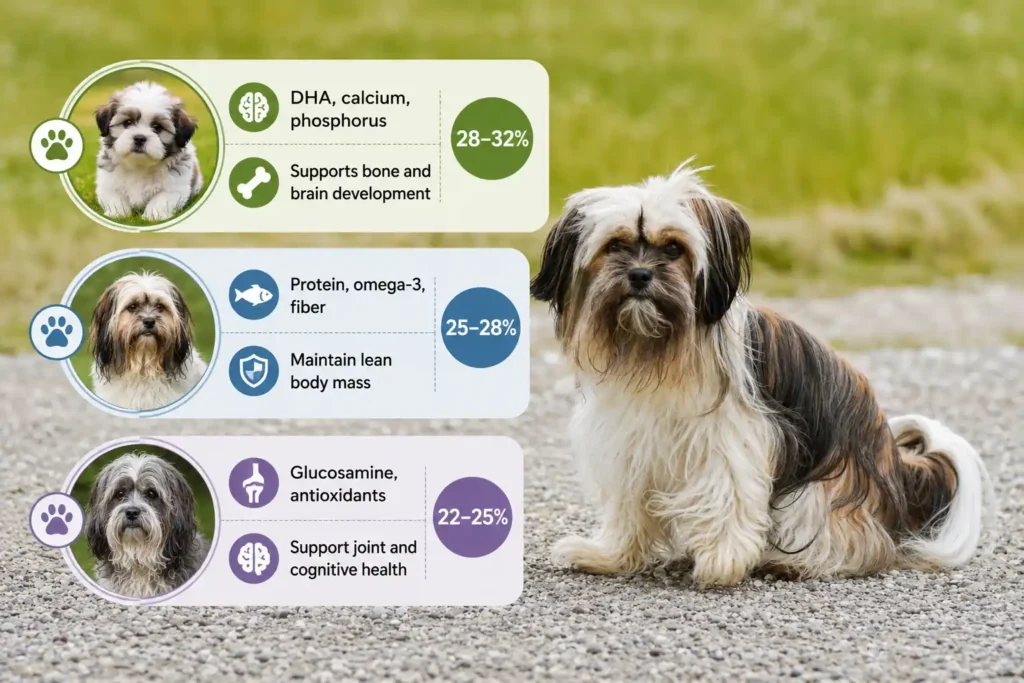
Nutrients most relevant to Bergamasco Sheepdog health at each life stage:
| Life Stage | Key Nutrients | Recommended Protein % | Notes |
| Puppy (0–12 mo) | DHA, calcium, phosphorus | 28–32% | Supports bone and brain development |
| Adult (1–7 yrs) | Protein, omega-3, fiber | 25–28% | Maintain lean body mass |
| Senior (8+ yrs) | Glucosamine, antioxidants | 22–25% | Support joint and cognitive health |
Feed Your Bergamasco for a Long and Healthy Life: Read more in What Can a Bergamasco Sheepdog Eat? Foods That Help & Foods That Hurt.
Exercise Needs and Keeping Weight Under Control
Bergamascos were built to move. They’re not sprint dogs; they’re endurance dogs. Daily walks of 45–60 minutes, plus some off-leash time in a secure area, cover most of their physical needs. For younger dogs, mix in some mental challenges like puzzle feeders or scent games.
Weight management matters more than most owners realize. Even 10–15% over a healthy body weight can accelerate joint wear and shorten lifespan. Weigh your dog monthly and adjust portions accordingly.
Quick Answer: How Much Exercise Does a Bergamasco Need?
Bergamascos thrive on 45–60 minutes of daily exercise, including walks, active play, or outdoor adventures. Activities like herding games, fetch, and hiking are ideal for keeping them physically fit. Pair physical exercise with puzzle toys or training sessions to provide mental stimulation and help prevent boredom-related behaviors. For puppies under 12 months, avoid strenuous or high-impact activities to protect their developing joints.
Coat Care and Hygiene for Better Health
The Bergamasco coat is honestly unlike anything else. It forms naturally into flat mats (the “flocks”) over time, and once set, requires very little maintenance. But during the matting process, usually between 9 months and 3 years, you’ll need to separate the mats by hand regularly.
From a health perspective, keep these habits in mind:
- Check under the coat monthly for skin irritation, hot spots, or parasites
- After swimming or heavy rain, let the dog dry fully, ideally with airflow rather than sitting damp for hours
- Brush the face and leg hair as needed since those areas don’t mat the same way
- Ears should be checked weekly for wax buildup or signs of infection
Preventive Care and Regular Vet Checkups
Vaccinations
Core vaccines (distemper, parvovirus, adenovirus, rabies) are non-negotiable. Talk to your vet about non-core vaccines like leptospirosis or Lyme disease based on your local environment and lifestyle.
Parasite Prevention
The dense coat provides excellent hiding spots for ticks and fleas. Monthly preventatives are strongly recommended, especially if your Bergamasco spends time outdoors in wooded or grassy areas. The American Veterinary Medical Association (AVMA) recommends year-round heartworm prevention regardless of climate.
Routine Health Screening
Annual bloodwork from age 5 onwards can catch early kidney, liver, or thyroid issues before they become serious. Hip and elbow X-rays at 2 years are ideal if you plan to breed. Eye exams by a board-certified veterinary ophthalmologist are recommended at least once before breeding.
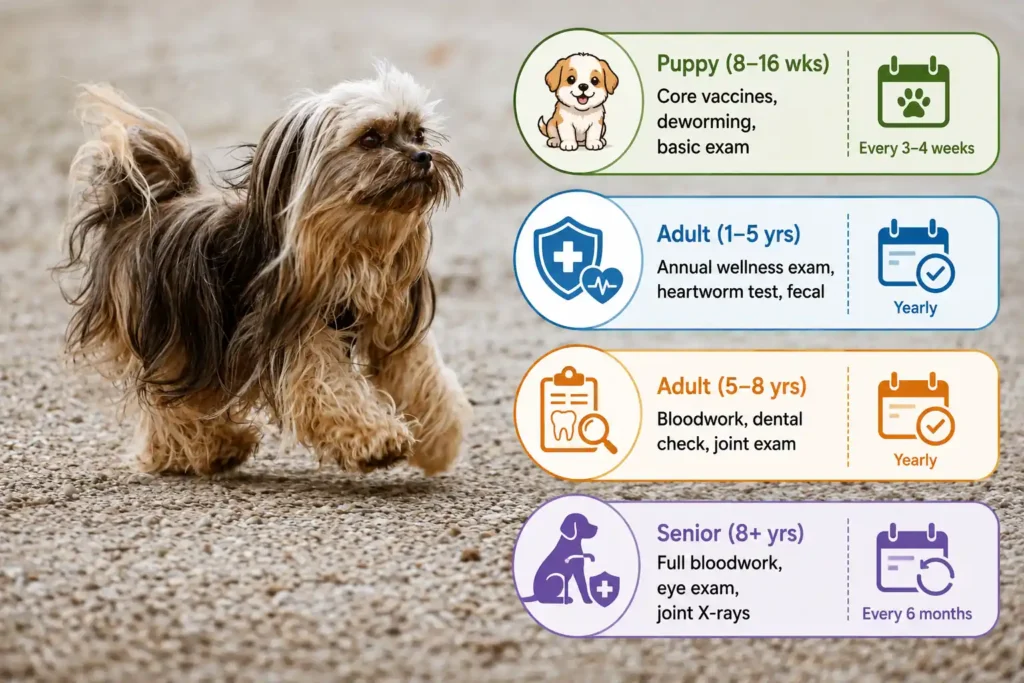
Recommended health screening schedule for Bergamasco Sheepdogs across life stages:
| Age / Stage | Recommended Screening | Frequency |
| Puppy (8–16 wks) | Core vaccines, deworming, basic exam | Every 3–4 weeks |
| Adult (1–5 yrs) | Annual wellness exam, heartworm test, fecal | Yearly |
| Adult (5–8 yrs) | Bloodwork, dental check, joint exam | Yearly |
| Senior (8+ yrs) | Full bloodwork, eye exam, joint X-rays | Every 6 months |
Mental Health and Daily Stimulation Needs
Bergamascos are working dogs at heart, and an under-stimulated one can develop anxiety, destructive chewing, or excessive barking. Mental exercise matters just as much as physical exercise for this breed.
Try rotating between obedience training sessions, scent tracking games, and agility basics. Even 15 minutes of focused mental work per day can noticeably reduce stress behaviors. These dogs bond strongly with their families, so isolation or long periods alone can genuinely impact their emotional well-being.
Keep Your Bergamasco Mentally Happy Every Day: Read more in Bergamasco Sheepdog Behavior Problems: It’s Not Always “Bad Dog”.
How to Keep a Bergamasco Sheepdog Healthy at Every Life Stage
Puppy Stage
Focus on socialization, controlled exercise, and starting good habits early. Avoid overly strenuous activity before growth plates close, usually around 12 months. This is the window to build a vet relationship, get baseline health records, and start preventive care properly.
Adult Stage
This is the easiest period, honestly. Maintain a consistent diet, keep up with annual vet visits, and watch body condition score. Introduce joint supplements around age 5 if your vet recommends them, especially if your dog is active or on the heavier end.
Senior Stage
From around 8 years, your Bergamasco may slow down noticeably. That’s normal, but watch for signs of cognitive decline, increased thirst, or difficulty rising. Switch to a senior-formula diet if your vet agrees, and increase vet visit frequency to twice a year. Small adjustments in routine can make a big quality-of-life difference.
When to Contact a Vet
Bergamasco Sheepdog care changes with age. Puppies need gentle exercise, early socialization, and routine veterinary care. Adults benefit from yearly checkups, a healthy weight, and regular joint monitoring. Seniors should have veterinary visits every six months, eat a senior-friendly diet, and be monitored for age-related cognitive changes.
Don’t wait for the annual appointment if you notice:
- Sudden lameness or inability to bear weight
- Vomiting or diarrhea lasting more than 24 hours
- Significant, unexplained weight loss
- Eye cloudiness, discharge, or bumping into objects
- Lumps that weren’t there before, especially if they grow quickly
When in doubt, call your vet. Early intervention almost always leads to better outcomes and lower costs in the long run.
Building a Long and Healthy Life for Your Bergamasco Sheepdog
Caring for a Bergamasco Sheepdog is genuinely rewarding. They’re loyal, calm, and surprisingly easy-going for a working dog, but they do need your attention when it comes to health. Stay consistent with preventive care, keep them moving, feed them well, and check in with your vet regularly. Do that, and there’s a very good chance you’ll have a happy, healthy companion for well over a decade.
The American Kennel Club (AKC) recommends working with a reputable breeder who tests breeding stock for known genetic conditions; that single step can dramatically reduce your dog’s risk of inherited health problems from the start.
Frequently Asked Questions
What are the most common health problems in Bergamasco Sheepdogs?
The top concerns are hip dysplasia, progressive retinal atrophy (PRA), elbow dysplasia, and occasional skin issues under the coat. Most are manageable with proper care and early detection.
How long do Bergamasco Sheepdogs live?
Typically 13 to 15 years, longer than most breeds of similar size. Good nutrition, regular exercise, and preventive vet care are the biggest contributors to a long lifespan.
Do Bergamasco Sheepdogs have skin problems under their coat?
They can, particularly if the coat stays wet for extended periods. Regular coat checks, ensuring proper drying after swimming, and maintaining airflow help prevent hot spots and fungal issues.
How often should a Bergamasco Sheepdog visit the vet?
Puppies need visits every 3–4 weeks until 16 weeks. Adults benefit from annual checkups. Seniors (8+ years) should be seen every 6 months for more thorough screening.
What diet is best for Bergamasco Sheepdog health?
A high-protein diet (25–30%) with real meat as the first ingredient, plus omega-3 fatty acids and glucosamine for joints. Avoid foods high in fillers or artificial additives.