
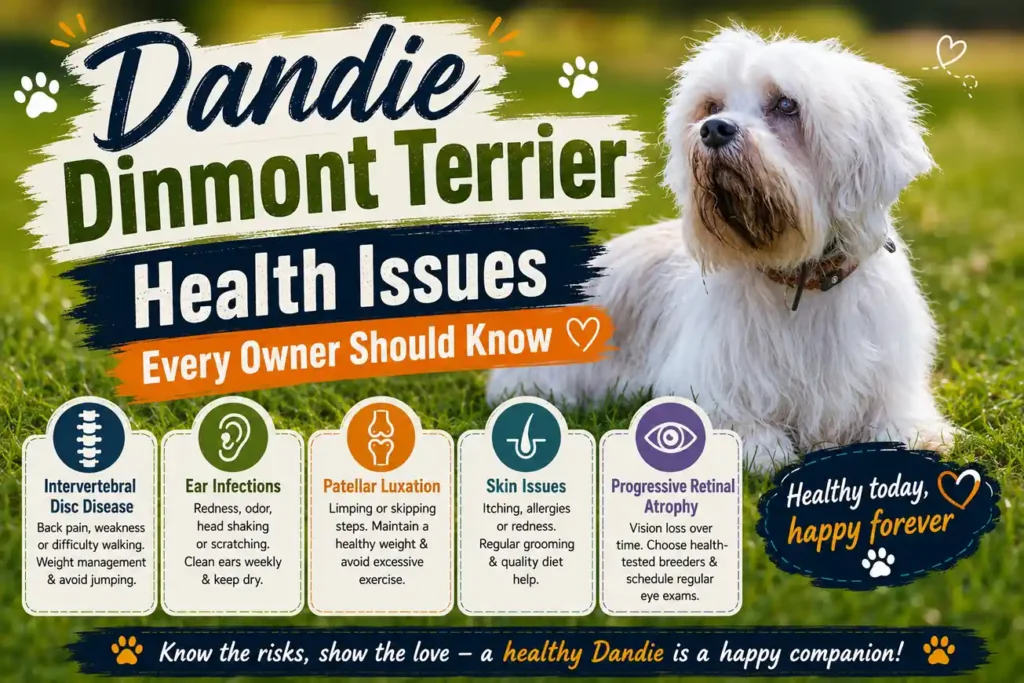
Dandie Dinmont Terriers are usually strong and healthy dogs. But because of their long back and short legs, they can face some specific health problems. The most common Dandie Dinmont Terrier health problems are back and spine issues, ear infections, and eye problems like glaucoma. Their long body shape puts extra pressure on the spine, which can lead to pain or even paralysis if not treated early.
Their floppy ears can also trap dirt and moisture, causing infections. Some dogs may develop thyroid problems or knee issues as they get older too. Learning about these Dandie Dinmont Terrier health problems early helps owners take simple steps, like keeping a healthy weight and avoiding too much jumping, to keep their dog safe and happy for years to come.
Breed Overview: Understanding This Unique Terrier
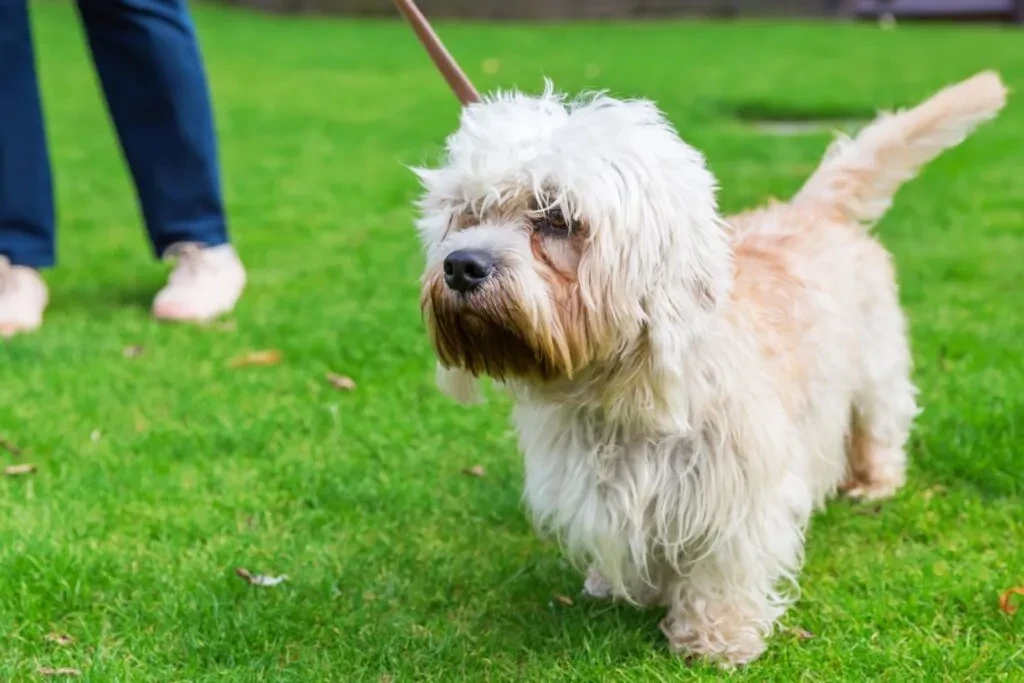
Before diving into health concerns, let’s establish who we’re talking about. The Dandie Dinmont Terrier is a Scottish terrier breed dating back to the 18th century, originally bred for hunting badgers and otters. These dogs weigh between 18 and 24 pounds and stand just 8 to 11 inches tall, perfect lap-dog proportions. What makes them instantly recognizable is their long, low body combined with that distinctive silky topknot of hair on their heads.
Dandies have a surprisingly independent temperament despite their small size. They’re intelligent, affectionate with their families, and reasonably good with children when properly socialized. Their coat is a mix of hard and soft hair, requiring regular grooming. They live between 12 and 15 years on average, which means a long-term commitment worth making wisely.
The Complete Guide to This Unique Terrier: Read more in Is a Dandie Dinmont Terrier Right for You? Complete Breed Guide & Owner Insights.
Intervertebral Disc Disease (IVDD): The Spinal Issue Everyone Discusses
This is probably the most significant Dandie Dinmont Terrier health concern you’ll hear about. Their long back makes them vulnerable to intervertebral disc disease, where the cushioning discs between vertebrae degenerate or rupture. Think of it like the shock absorbers in your car wearing out prematurely.
IVDD can range from mild to severe. Mild cases might show as back stiffness or reluctance to jump. Severe cases can lead to partial or complete paralysis. The scary part? A Dandie can go from walking normally to having mobility issues surprisingly fast. While some dogs manage with conservative treatment (rest, medication, physical therapy), others require surgery costing thousands of dollars.
Preventing IVDD in Dandie Dinmont Terriers
Preventing IVDD involves practical lifestyle choices. Keep your Dandie at a healthy weight; excess pounds stress their spine considerably. Avoid activities requiring repeated jumping or climbing stairs excessively. Use ramps or steps to help them reach furniture. Swimming provides excellent, low-impact exercise that strengthens supporting muscles without straining the spine. Regular veterinary check-ups catch early signs before serious damage occurs.
Ear Infections: A Persistent Problem
Dandie Dinmont Terriers have long, floppy ears that hang close to their head. This design, while adorable, creates a warm, moist environment where bacteria and yeast thrive happily. Ear infections are incredibly common in this breed, often recurring throughout their lives.
You’ll notice signs like head shaking, ear scratching, discharge, or an unusual odor. Many Dandies experience multiple infections yearly, requiring repeated veterinary visits and medication. The American Kennel Club acknowledges this breed predisposition, recommending preventive ear cleaning as standard care.
Regular ear maintenance makes a real difference. Many owners clean their Dandie’s ears weekly with a veterinarian-recommended solution. Drying ears thoroughly after swimming or bathing prevents moisture buildup. Some owners invest in professional grooming every 6 to 8 weeks, including thorough ear cleaning.
Common ear problems and management strategies for Dandie Dinmont Terriers:
| Ear Problem | Prevention | Treatment | Cost Range |
| Bacterial infection | Weekly cleaning, dry environment | Prescription ear drops, oral antibiotics | $200–$500 per visit |
| Yeast overgrowth | Regular maintenance cleaning | Antifungal medication | $150–$400 per visit |
| Chronic inflammation | Consistent hygiene routine | Long-term management plan with vet | $300–$800/year |

Patellar Luxation: Wobbly Knees
This condition involves the kneecap slipping out of its groove in the leg bone. In Dandies, it’s usually genetic and more common than in some other breeds. Affected dogs might occasionally skip a step, hold their back leg up briefly, or show persistent limping.
Mild cases don’t require treatment beyond monitoring and pain management. Severe cases need surgery to realign the knee joint. The concerning part is that early signs are subtle; a dog limping occasionally might have a minor slip that eventually worsens without intervention.
Other Notable Health Concerns Worth Monitoring
Keep an eye on other health issues that may affect your dog’s well-being over time.
Thyroid Disease and Cushing’s Syndrome
Endocrine disorders affect small breeds disproportionately. Hypothyroidism (underactive thyroid) causes weight gain, lethargy, and coat problems. Cushing’s syndrome (overactive adrenal glands) shows as excessive drinking, frequent urination, and hair loss. Both respond well to medication once diagnosed, but they require bloodwork to identify.
Dental Disease
Small dogs have crowded teeth in relatively small mouths, making dental disease nearly inevitable without intervention. Dandies often develop tartar buildup, gum disease, and tooth loss. Regular brushing starting young makes a substantial difference. Professional cleanings under anesthesia become necessary every few years for most individuals.
Dental Care Routine for Dandie Dinmont Terriers
Start brushing teeth daily or at least 3 to 4 times weekly using dog-specific toothpaste and a soft-bristled brush. Introduce teeth brushing gradually when your Dandie is young. Offer dental chews designed to reduce tartar buildup; look for products approved by the Veterinary Oral Health Council for verified effectiveness. Schedule professional dental cleanings with your veterinarian every 12 to 24 months, depending on individual needs and your vet’s recommendations.
Sebaceous Adenitis
This skin inflammation condition causes hair loss, scaly skin, and sometimes secondary infections. It’s more common in certain Dandie lines. Affected dogs develop noticeable patches of hair loss, often on the back and sides. Management involves medicated baths, supplements, and sometimes oral medications to control inflammation.
Essential Health Screening and Preventive Care
Responsible breeders test for genetic conditions before breeding Dandies. If you’re considering this breed, ask about health clearances from both parents. The Dandie Dinmont Terrier Club of America recommends screening for hip and elbow dysplasia, eye disease, and thyroid function.
Regular veterinary care cannot be overstated. Annual wellness exams catch emerging issues early. Maintain updated vaccinations and parasite prevention. Discuss breed-specific concerns with your vet—they can create a monitoring plan tailored to your individual dog.
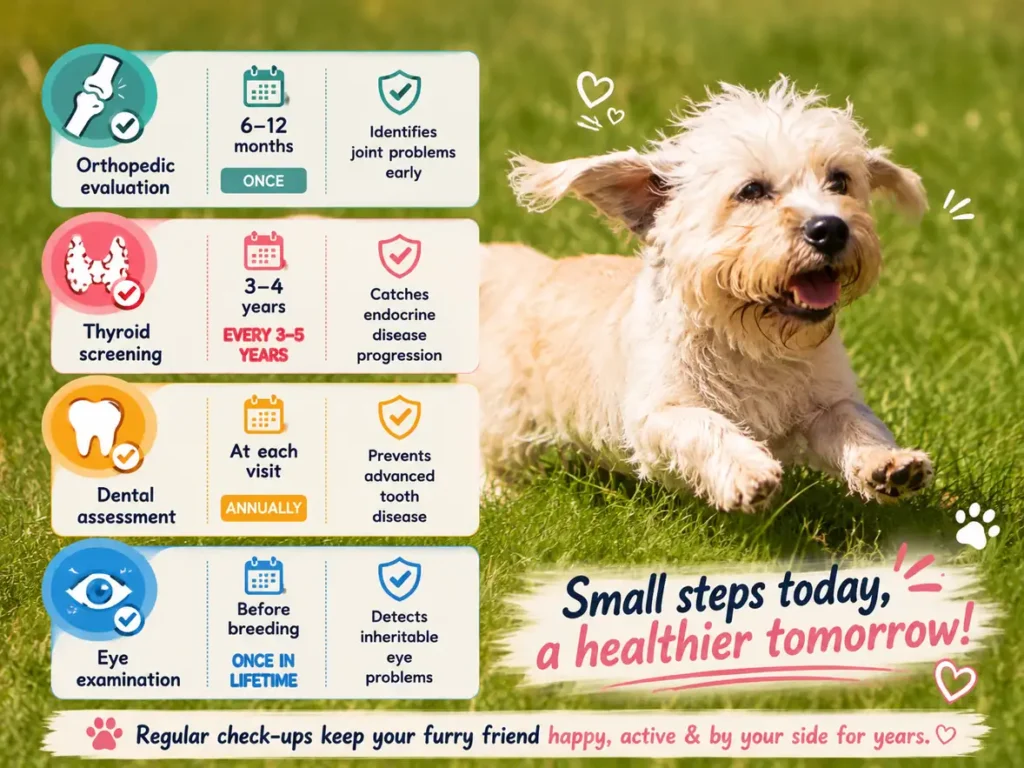
Recommended health screening timeline and frequency for Dandie Dinmont Terriers:
| Health Screening | Age to Begin | Frequency | Why It Matters |
| Orthopedic evaluation | 6–12 months | Once | Identifies joint problems early |
| Thyroid screening | 3–4 years | Every 3–5 years | Catches endocrine disease progression |
| Dental assessment | At each visit | Annually | Prevents advanced tooth disease |
| Eye examination | Before breeding | Once in lifetime | Detects inheritable eye problems |
Nutrition and Weight Management
Feeding your Dandie appropriately isn’t glamorous, but it’s remarkably important for long-term health. These dogs need quality nutrition in appropriate portions; they tend toward weight gain, which exacerbates joint and spine problems.
High-quality commercial dog foods formulated for small breeds work well for most Dandies. Some owners prefer fresh or raw diets, but these require careful planning to ensure nutritional completeness. Avoid excessive treats and people food, which quickly add unnecessary calories in such a small body.
Ideal Daily Feeding for Dandie Dinmont Terriers
Most adult Dandies thrive on 1 to 1.5 cups of quality dog food daily, split into two meals. Individual needs vary based on activity level, age, and metabolism. Use a kitchen scale rather than eyeballing portions; it’s remarkably easy to overfeed small dogs. Adjust portions if your Dandie gains weight or shows increased energy or restlessness. Consult your veterinarian about appropriate calorie intake during puppyhood and senior years, as needs change significantly throughout life.
Give your Dandie the balanced diet it deserves. Read more in Best Dog Food for Dandie Dinmont Terriers So You Feed This, Not That.
Creating a Health-Conscious Routine
The best approach to managing Dandie Dinmont Terrier health problems isn’t reactive; it’s proactive. Start with a reputable breeder who prioritizes health testing. Schedule regular veterinary check-ups. Maintain consistent grooming, especially ear and dental care. Monitor your dog’s movement, weight, and behavior for subtle changes signaling emerging issues.
Keep detailed health records noting any symptoms, veterinary visits, and treatments. This information becomes invaluable if your Dandie develops chronic conditions requiring long-term management.
Quick Health Reference Guide
Overview of common Dandie Dinmont Terrier health conditions and management costs:
| Condition | Likelihood | Severity | Prevention Level | Treatment Cost |
| IVDD | High | Medium to high | Moderate | $1,000–$5,000 |
| Ear infections | Very high | Low to moderate | High | $200–$500/year |
| Patellar luxation | Moderate | Low to moderate | Low | $800–$3,000 |
| Thyroid disease | Moderate | Low | Moderate | $300–$800/year |
| Dental disease | High | Moderate | High | $400–$1,500/cleaning |
A Healthy Future for Your Dandie Dinmont Terrier
Dandie Dinmont Terriers are usually healthy and make wonderful family pets. However, they can develop a few health problems that are common in the breed. Taking care of their back, ears, teeth, joints, and keeping them at a healthy weight can help prevent many of these issues.
Regular vet check-ups, good food, proper grooming, and daily exercise will help your Dandie stay healthy and active. With the right care, your dog can enjoy a long, happy, and comfortable life.
Frequently Asked Questions
Q: Are Dandie Dinmont Terriers healthy dogs overall?
A: Yes, they can live long, healthy lives with 12 to 15-year lifespans. However, they do have breed-specific predispositions that responsible owners need to manage proactively. Many Dandies remain active and happy throughout their lives when their health needs are addressed.
Q: What’s the best way to prevent IVDD in Dandie Dinmont Terriers?
A: Maintain a healthy weight, avoid excessive jumping or stair climbing, provide low-impact exercise like swimming, and use ramps for furniture access. Regular veterinary check-ups catch early signs before severe damage occurs.
Q: How often should I clean my Dandie’s ears?
A: Most owners clean their Dandie’s ears weekly using a veterinarian-recommended solution. Some may need more frequent cleaning, especially during warm, humid months or if they’re prone to infections.
Q: Can Dandie Dinmont Terrier health problems be completely prevented?
A: Some issues like IVDD have genetic components that can’t be eliminated, but you can significantly reduce risk through responsible breeding practices, proper nutrition, appropriate exercise, and preventive veterinary care.
Q: Is pet insurance worth it for a Dandie Dinmont Terrier?
A: Given the breed’s predisposition to costly conditions like IVDD and chronic ear infections, pet insurance can make sense financially. Research policies covering breed-specific conditions before purchasing.