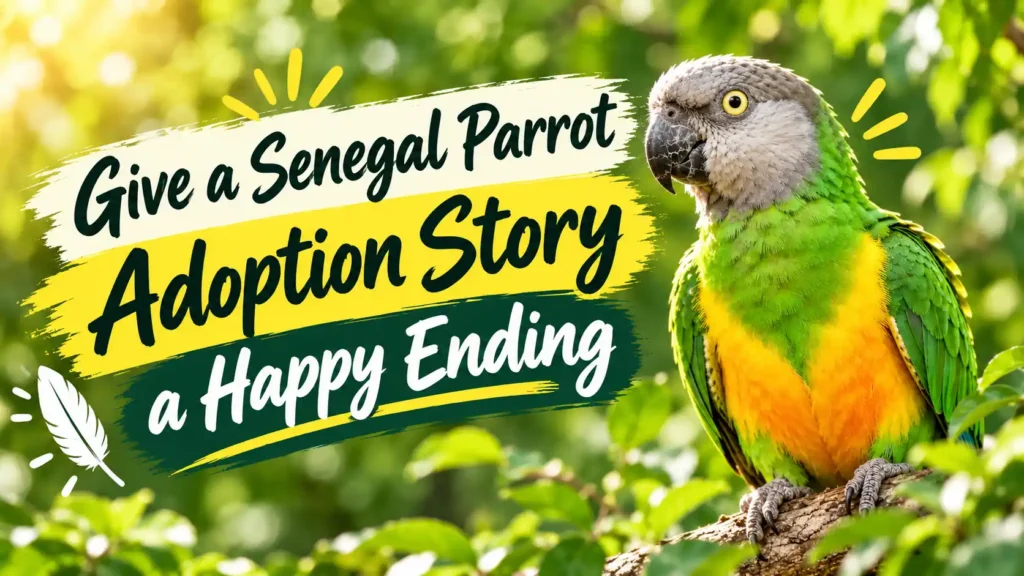
Senegal parrot adoption gives displaced birds a second chance while helping new owners avoid the higher cost of buying from a breeder. Current rescue fees vary by organization, with some established rescues charging around $300 for a Senegal parrot. Adoption fees may help cover veterinary care and rehabilitation, but cage, food, toys, and ongoing avian vet visits are additional costs.
Before adoption, most reputable rescues require an application and may request a phone interview, home visit, or cage photos. Ask about the bird’s health, diet, temperament, history, and veterinary records so you know what to expect before bringing your new companion home.
What Makes Senegal Parrot Adoption Worth Considering
Standing under ten inches tall, a Senegal parrot fits comfortably into an apartment or a small house without demanding the space a macaw or cockatoo needs. Native to the woodlands of Senegal, Gambia, Guinea-Bissau, and nearby West African countries, this Poicephalus species has adapted well to home life once it settles in. Choosing adoption over a breeder purchase reduces demand for further captive breeding and directs a caring home toward a bird that genuinely needs one.
- Rescued birds usually arrive with a recent avian vet exam, something private sellers rarely offer.
- Adoption fees generally sit well below breeder prices for a hand-raised baby.
- Staff at reputable rescues can describe a bird’s real temperament, not just its age.
- Many organizations offer post-adoption support if behavior questions come up later.
Senegal Parrot Characteristics and Temperament
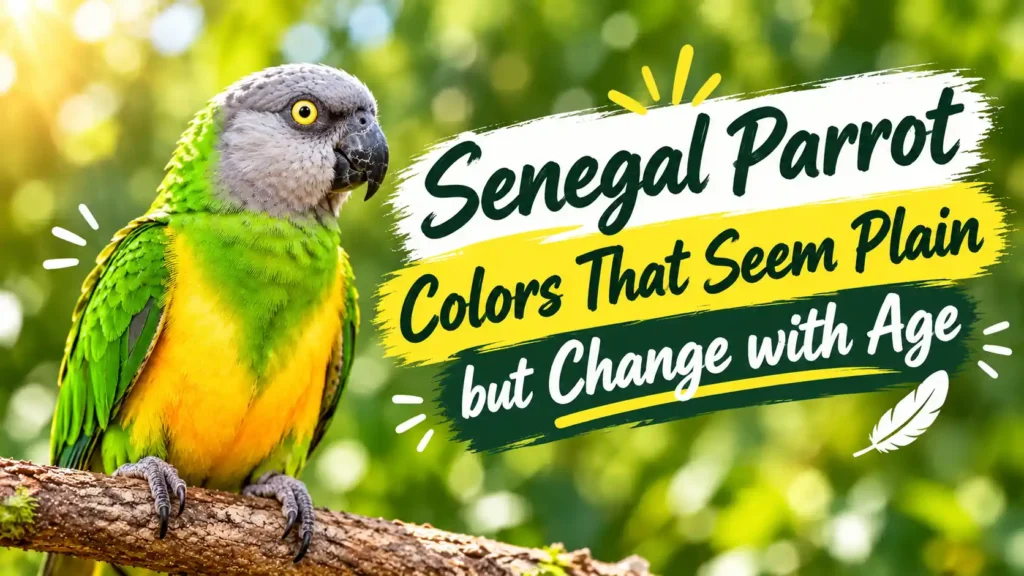
A grey head, bright yellow eyes, and a green back give this parrot an unmistakable look, while the belly shows orange, yellow, or a mix depending on the subspecies. Bold personality often surprises new owners, since a bird this size can act every bit as stubborn as a much larger cockatoo. Bonding tends to run deep with one favorite person, so patience matters during the first weeks in a new household.
Vocal habits stay fairly mild compared with amazons or conures, though a Senegal can learn to mimic words and household sounds. Playfulness shows up through hanging upside down, tossing toys, and chewing wood or cardboard whenever it gets the chance. Shy or previously neglected birds may take longer to trust a new caretaker, and slow, predictable interactions usually work best.
How Much Does Senegal Parrot Adoption Cost
Senegal parrot adoption fees vary by rescue, but $300 is a current published adoption fee at some established parrot rescues. The final cost can be higher when cages, food, toys, and veterinary care are added. Always check the rescue’s current fee before applying, as prices and what’s included can vary.
Baby Senegal Parrot Adoption Cost Compared to Other Options
Shoppers often assume a young, hand-fed bird from a breeder guarantees an easier start, but price alone does not reflect health or temperament. A short comparison below shows how typical costs stack up across common sources, based on published fee schedules from active U.S. bird rescues.
| Source Type | Typical Cost Range | What Usually Comes Included |
| Bird rescue or sanctuary | $250 – $800 | Vet exam, sometimes a cage or supplies |
| Private rehoming listing | $150 – $400 | Varies widely, no guaranteed health history |
| Breeder, hand-raised baby | $600 – $1,200+ | Often no independent vet check included |
Numbers shift between organizations and regions, so confirming current pricing directly with a chosen rescue remains the safest step before budgeting. Ongoing costs such as pellets, fresh produce, toys, and annual avian vet visits deserve a place in that same budget conversation.
Senegal Parrot Adoption Requirements Rescues Usually Ask For
Most rescue organizations run a short screening process before approving a new home, and the questions focus on safety and long-term commitment rather than perfection. A cage measuring at least 24 inches wide by 24 inches deep by 30 inches tall, with bar spacing no wider than five-eighths of an inch, meets the minimum standard many rescues recommend for this species. Households with young children or free-roaming cats sometimes need extra discussion, since a startled parrot can bite or fly into danger.
- A completed application describing household members, other pets, and daily schedule.
- Proof of an appropriately sized cage or a plan to purchase one before pickup.
- Access to an avian veterinarian within reasonable driving distance.
- Willingness to commit for the long term, since this species can live several decades.
- A phone interview or home visit, depending on the specific rescue’s process.
How to Adopt a Senegal Parrot Step by Step
Senegal Parrot Adoption moves faster when applicants come prepared with the right paperwork and a realistic sense of what daily bird care involves. Most rescues follow a similar sequence from first contact to bringing a bird home.
- Research nearby rescues and read each bird’s individual profile carefully.
- Submit a written application with honest details about your home and experience.
- Complete a phone or video interview so staff can answer questions about the bird.
- Meet the parrot in person when possible, since personality varies bird to bird.
- Pay the adoption fee and sign a contract outlining care expectations.
- Bring home starter supplies, including a properly sized cage, before pickup day.
Are Senegal Parrots Good for Beginners
Senegal parrots suit patient first-time owners better than many larger species because of their manageable size and moderate noise level, though their strong-willed streak still calls for consistent handling. A beginner willing to research bird behavior and commit to daily interaction generally does well with this species.
Senegal Parrot Rescue Groups Worth Contacting
Several established nonprofits focus specifically on parrot welfare and regularly list Senegals among their available birds. The World Parrot Trust, an international conservation body, publishes species care guidance that many regional rescues reference when setting their own adoption standards. Checking a group’s nonprofit status and asking about their vetting process before applying helps confirm a rescue operates responsibly.
- Confirm 501(c)(3) nonprofit status or an equivalent recognized charitable listing.
- Ask whether every bird receives an avian vet exam before adoption.
- Read reviews or ask for references from people who adopted previously.
- Check whether the group offers a trial period or post-adoption support line.
Senegal Parrot for Adoption in Maryland
Maryland residents interested in adopting a Senegal parrot have a couple of dedicated regional options worth exploring. The Phoenix Landing Foundation, a volunteer-run 501(c)(3) parrot welfare organization, serves Maryland, Washington, D.C., Virginia, North Carolina, and northeast Florida through an active adoption program alongside educational events. A separate Maryland-based sanctuary in Damascus, the Wilson Parrot Foundation, focuses on rescuing and rehabilitating companion parrots for qualified adopters.
- Phoenix Landing Foundation covers Maryland, D.C., Virginia, and nearby states.
- The Wilson Parrot Foundation operates as a Damascus, Maryland-based sanctuary.
- Petfinder’s Maryland bird listings aggregate additional local shelter postings.
- Contacting groups directly confirms current availability, since listings change often.
Senegal Parrot for Adoption in Denver
Colorado’s Front Range area has an unusually strong network of parrot rescues within driving distance of Denver. The Gabriel Foundation, founded in 1995 and licensed by the State of Colorado and the USDA, operates a large aviary and adoption center in nearby Elbert County. Colorado Parrot Rescue and the Bird Rescue Colorado in Fort Collins round out additional regional options for anyone pursuing adoption near the metro area.
| Region | Organization | Focus Area |
| Maryland / D.C. area | Phoenix Landing Foundation | Adoption program and parrot education |
| Maryland (Damascus) | Wilson Parrot Foundation | Rescue, rehab, and sanctuary care |
| Denver metro area | The Gabriel Foundation | Large aviary, USDA-licensed adoption center |
Diet, Habitat, and Daily Care After Adoption
A balanced diet built around a quality pellet base, fresh vegetables, and limited fruit keeps a Senegal parrot healthier than a seed-only bowl ever could. Seeds should make up roughly ten to twenty percent of total intake rather than serving as the main course, since seed-heavy diets contribute to obesity and nutrient gaps. Fresh water needs to be changed daily, and any uneaten produce should come out of the cage before it spoils.
- Offer dark leafy greens, carrots, squash, and small amounts of fruit daily.
- Limit avocado, chocolate, caffeine, onion, and salty foods entirely.
- Provide chew-safe wood toys, since heavy beak use is completely normal.
- Schedule supervised out-of-cage time every day for exercise and mental stimulation.
- Use a harness or secure carrier for any outdoor trips, since escapes happen quickly.
Health, Lifespan, and Common Concerns
Senegal parrots commonly live twenty-five to fifty years with attentive care, a lifespan that rivals many larger parrot species and demands real long-term planning from an adopter. Feather plucking, often triggered by boredom, stress, or an underlying medical issue, ranks among the more common behavioral concerns rescues encounter. Annual checkups with a qualified avian vet, ideally one recognized by the Association of Avian Veterinarians, catch many issues before they become serious.
How Long Do Senegal Parrots Typically Live
With consistent nutrition, mental stimulation, and regular veterinary care, a Senegal parrot commonly reaches twenty-five to fifty years of age, making this a decades-long commitment rather than a short-term pet decision.
Quick reference details help compare this species against other companion parrots before committing to adoption. The table below summarizes the essentials in one place.
| Category | Typical Detail |
| Adult size | About 9 to 10 inches tall |
| Average lifespan | 25 to 50 years with proper care |
| Native region | West Africa, including Senegal and Gambia |
| Noise level | Moderate, quieter than many larger species |
| Typical adoption fee | $250 to $800 at most U.S. rescues |
Bringing It All Together
Senegal Parrot Adoption offers a practical, compassionate path to bringing home a smart, colorful companion bird without funding further breeding. Size, temperament, and moderate noise levels explain why this Poicephalus species suits many households, while the true baby Senegal parrot adoption cost usually lands well below what a breeder charges for a comparable bird. Requirements around cage size, veterinary access, and household safety exist to protect the bird, not to create obstacles, and following the adoption steps in order makes the process far less stressful.
Rescue groups across regions, including dedicated organizations serving Maryland and the greater Denver area, give prospective adopters real local options rather than only distant listings. Diet built around pellets and fresh produce, daily enrichment, and a secured habitat keep an adopted Senegal healthy for what can become a multi-decade relationship. Health monitoring through a qualified avian vet remains essential given how long this species typically lives. Choosing a reputable Senegal parrot rescue, asking the right questions, and preparing the home in advance turns adoption into a lasting, rewarding commitment for both the bird and the family welcoming it.
Frequently Asked Questions
How much does adopting a Senegal parrot typically cost?
Most U.S. rescues charge between $250 and $800, depending on the bird’s age, history, and whether a cage or supplies come included in the fee.
What paperwork do rescues usually require before approval?
Expect a written application, a phone or video interview, and sometimes a home visit, plus proof of an appropriately sized cage before pickup.
Where can I find a Senegal parrot rescue near Maryland or Denver?
Phoenix Landing Foundation and the Wilson Parrot Foundation serve the Maryland region, while The Gabriel Foundation operates a large adoption center near Denver.
How long do Senegal parrots usually live?
With proper nutrition and veterinary care, this species commonly lives twenty-five to fifty years, so a lifetime commitment matters before bringing one home.
Are Senegal parrots suitable for first-time bird owners?
Their moderate size and quieter voice suit many beginners, though a strong-willed personality still calls for patience and consistent daily handling.